10 Strategies for Optimizing....
In the ever-evolving..
By Admin / 13 February
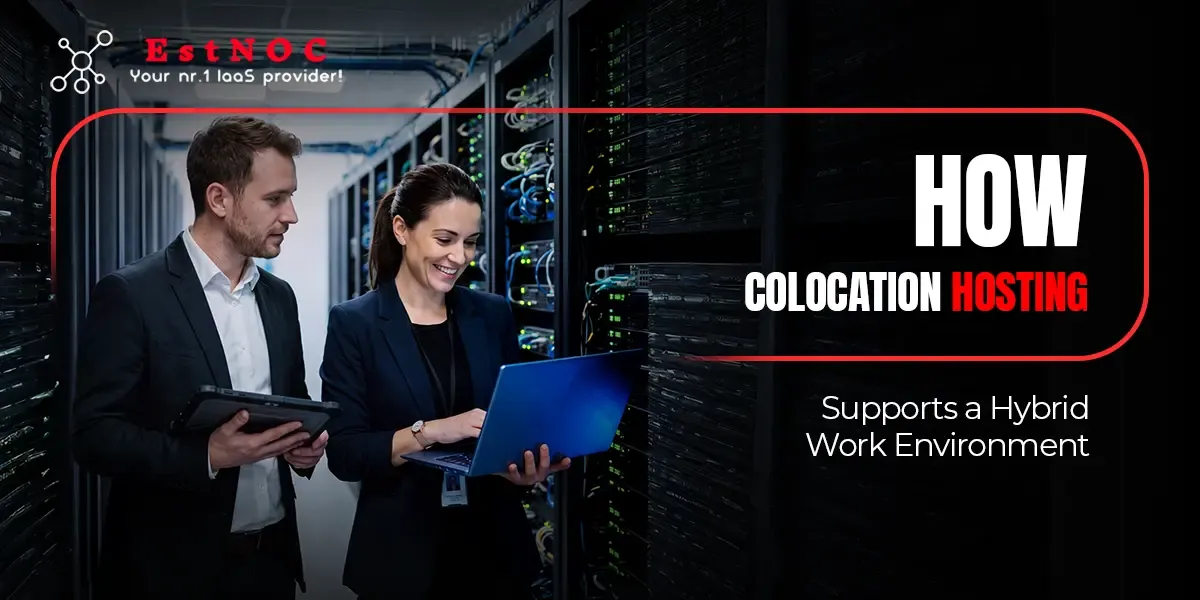
In a hybrid mode the nature of work shifts. The majority of employees connect with infrastructure virtually therefore businesses need more reliable infrastructure for their application and data. However, being at different places, still people need to access company systems for work. Therefore business those who work in hybrid mode should understand colocation hosting services to support their infrastructure while maintaining changing work patterns. We have made this guide to understand how colocation hosting supports a hybrid work environment.
At hybrid systems employees have dependencies on collaboration software not only devices. That’s why for this they need to access internal applications, shared files, databases, and business needs. If there is inconsistency in infrastructure then employees can lose data on their system. Therefore it is necessary for business to have a reliable infrastructure for hybrid teams.
Security data run on an internal application that is on dedicated physical servers. However, through secure configuration remote-access by this setup. Therefore a colocation server provides an authorized system to business where employees access from different locations. By this, the business has great control of hardware software while providing hybrid setup.
Colocation has facilities to keep your own server or network equipment inside a data center. In this service you get rack space, power cooling and hardware connection for your business. However, businesses have ownership of equipment and manage the entire network connection. This differs from renting a complete server or using a virtual machine.
Hybrid infrastructure does not require every application to run on one platform. A business can keep sensitive databases or specialised applications on colocated hardware. It can use cloud services for collaboration, development, backups, or other suitable workloads.
The networking layer connects these environments. Secure VPNs, identity controls, firewalls, and appropriate access permissions help protect communication between employees and business systems. At EstNOC, we provide colocation options in Estonia and Sweden. Businesses can consider these locations when planning their infrastructure around employees, customers, and existing systems.
In some businesses, they have established applications or custom configuration to work. Therefore, these workloads need heavy testing, redevelopments and sensitive access. However, colocation provides the business with enhanced control over business hardware while moving things into the data center.
Colocation hosting has flexibility where businesses can choose according to their requirements. Not only this they can extend the facilities when they need more requirements. This way of work gives direct control of the hardware and software environment to business directly.
During business hours employees need to access company systems throughout the day. Therefore, there will always be a need for reliable power and connectivity for remote work. If there is failure then it can interpret the service for the business.
In colocation allocation space is a part of service. At EstNOC, our collocation has allocated space, power supply, and environment functionalities. In addition we provide control of temperature and humidity within our data center. Therefore, we provide a reliable facility where business can look beyond rack space.
In a hybrid system, the accessibility number of places are more comparatively to offline setup. Therefore, it creates identity issues and due to this network security is a concern. Therefore, colocation provides controlled physical location for servers to support security across a distributed workforce.
Businesses should require strong authentication and restrict administrative access to authorised users. Firewalls should limit unnecessary connections, while encrypted connections protect data travelling across networks. Regular updates and security monitoring also help teams identify potential problems. Businesses should separate administrative access from routine employee access wherever practical.
At EstNOC, customers retain control over their server environments. They can configure security policies around their applications and operational requirements.
Hybrid teams cannot always send someone to the data centre when a server needs attention. Remote management tools can therefore help administrators handle routine tasks. These tools may support remote diagnostics, configuration changes, and recovery procedures.
Businesses should establish clear responsibilities for hardware failures, component replacement, and troubleshooting. They should also maintain tested backups and document their recovery procedures. Colocation keeps physical infrastructure in a dedicated facility. However, it does not eliminate the need for internal IT staff or suitable managed support. A clear operating plan helps teams respond faster when something goes wrong.
Colocation can suit businesses that already own servers and need a professional environment for their deployment. It can also help organisations that require specific hardware, greater configuration control, or predictable infrastructure arrangements. Smaller businesses with modest computing needs may find managed cloud services simpler.
The decision should depend on workload requirements, hardware ownership, staffing, connectivity, and total operating costs. At EstNOC, our colocation services cover Estonia and Sweden. These options give businesses a choice when planning where to place their physical infrastructure.
In hybrid work there is an infrastructure that connects employees with their business system while they need to work. Therefore, a colocation is a model that keeps company-owned hardware in a professional setting to share network facilities across the globe. That’s why businesses that want control over cloud systems while maintaining security systems at times of remote access. Hence, At EstNOC, we have Colocation Services in Estonia and Sweden to provide them with a colocation setup to fulfill their requirements. The best setup always combines the perspective of security, connectivity , clear maintenance responsibilities as well as the recoverability.
In the ever-evolving..
By Admin / 13 February

In the frantic world..
By Admin / 19 January

Technology is the..
By Admin / 27 December

WordPress, standing as..
By Admin / 27 November

In the ever-evolving..
By Admin / 18 October

Businesses struggle..
By Admin / 30 September

Web hosting is the..
By Admin / 21 September

Your website's speed and..
By Admin / 12 September
For every organization..
By Admin / August 23

For every organization..
By Admin / August 8

In the modern digital..
By Admin / July 21

As we are living..
By Admin / July 7

Dedicated hostings are..
By Admin / June 29
When you look into the..
By Admin / June 15

Dedicated servers are..
By Admin / May 18

Unmanaged VPS hosting..
By Admin / May 13

There has been..
By Admin / May 02

As soon it comes to..
By Admin / April 12

The hosting environment..
By Admin / Mar 25
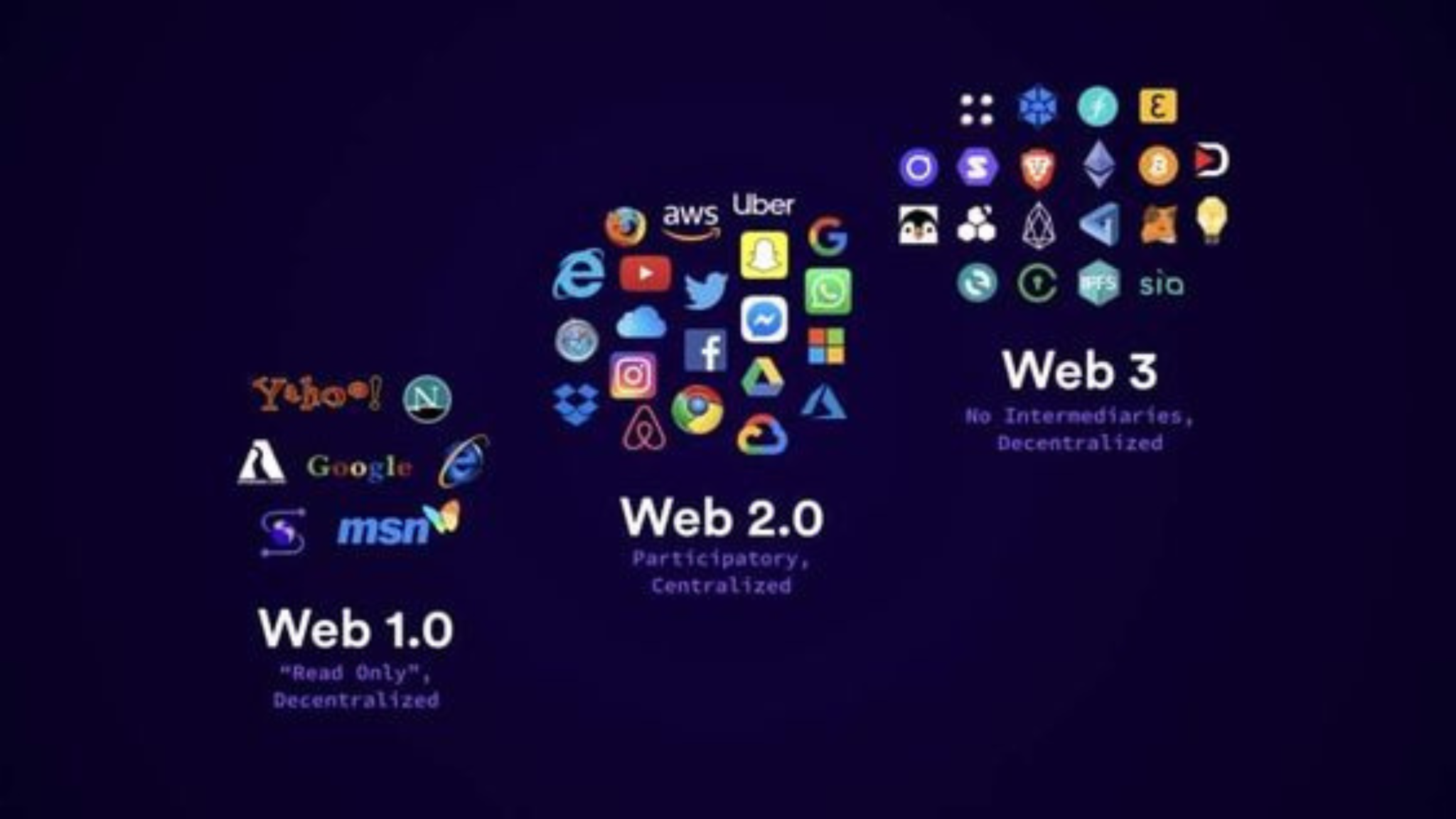
The internet has undergone..
By Admin / Mar 14

Whenever we talk..
By Admin / Mar 13

As we all know..
By Admin / Feb 28

Web server hosting is a..
By Admin / Feb 13

Web server hosting business
By Admin / Feb 13

Your website running slow?
By Admin / Feb 05

Introducing quizzes
By Admin / May 12

If you are a beginner in...
By Admin / May 20
