10 Strategies for Optimizing....
In the ever-evolving..
By Admin / 13 February

A website often looks stable on the surface, but real performance is always determined underneath the infrastructure layer. Over a period of time, at EstNOC, we are consistently observing that most digital systems don’t fail suddenly; they slowly degrade due to unnoticed hosting inefficiencies. Due to these small changes in speed, uptime, and response behavior rarely look critical at first, but they directly affect user trust and business outcomes over time. That is the one reason why server hosting services become more than just a technical setup; they become a core factor in how reliably a business performs in real-world conditions.
Most hosting problems don’t start with visible failures or downtime. They begin as small, almost invisible performance shifts that are easy to ignore in the early stages. Systems appear normal, and dashboards look clean, but the user experience slowly starts changing without any obvious alert. This gap between system visibility and real user experience is where most hidden issues grow.
When a website slows down, the immediate assumption is usually related to design, heavy content, or frontend optimization. However, at EstNOC, we repeatedly see that the actual limitation often begins at the server response level. Even a well-optimized interface cannot deliver smooth performance if the infrastructure is inconsistent. Users don’t analyze the reason; they only feel the delay, and that directly affects their decision to stay or leave. Over time, this creates a pattern where businesses keep fixing the wrong layer while the real issue remains untouched.
Another early signal is inconsistency in performance. A system may load quickly at one time and feel slow at another, without any visible changes in configuration. This doesn’t feel like a failure, so it often goes unnoticed internally. But from a user perspective, this unpredictability creates hesitation, and over time, it reduces repeat engagement even if the product experience remains unchanged. This is one of the most overlooked early indicators of infrastructure instability.
The real cost of weak hosting rarely appears in direct financial reporting. It doesn’t show up as an expense line; it spreads across user behavior, conversion patterns, and growth efficiency. This makes it harder to detect until the impact becomes significant.
Every abandoned session caused by slow loading or temporary downtime represents a lost conversion opportunity. Since these losses don't appear as direct system failures, people often overlook them.Many businesses respond by increasing marketing spend, assuming traffic is the issue, while the real constraint lies in infrastructure efficiency. This leads to higher acquisition costs without solving the actual performance bottleneck.
During campaigns, product launches, or seasonal spikes, weak hosting environments struggle to maintain consistent performance. Instead of scaling smoothly, systems begin to slow down or partially fail. These moments matter the most because user intent is already high, making the impact of instability far more damaging. A single poor experience during peak demand can erase weeks of marketing effort.
In less structured hosting setups, monitoring and protection systems are often reactive rather than proactive. This creates hidden vulnerabilities that don’t show immediate effects but gradually increase risk. Over time, this affects system trust, compliance readiness, and operational stability. The damage here is not only technical; it can extend to brand reputation and customer confidence.
Once infrastructure becomes stable, the entire system shifts from reactive performance to predictable performance. This changes how users interact with the platform and how teams manage operations internally.
At EstNOC, engineers design infrastructure to maintain stable behavior even when traffic patterns fluctuate.This removes uncertainty from operations and ensures that the user experience remains consistent across different usage conditions. The difference is not just technical; it directly reflects smoother customer journeys.
Modern hosting systems are not limited to uptime tracking. They include real-time monitoring, anomaly detection, and preventive response systems. These layers help identify issues before they affect end users, reducing disruption significantly. Instead of reacting to failures, systems start preventing them.
When infrastructure is stable, technical teams no longer spend time repeatedly fixing performance issues. Instead, they focus on improving systems, scaling operations, and supporting business growth more effectively. This shift alone increases long-term efficiency and reduces hidden operational costs.
At EstNOC, we treat hosting as a continuous performance system rather than a static infrastructure offering.We don’t focus only on keeping systems online but also on ensuring that performance remains stable under real-world conditions where traffic is unpredictable and constantly changing.
This is where hosting services become meaningful, not as a feature set but as a long-term reliability framework. We ensure that infrastructure behaves consistently even under pressure, because real-world performance defines itself during stress, not during ideal conditions. This approach reduces uncertainty and helps businesses maintain predictable digital operations even during peak demand cycles.
Hosting issues don’t occur due to direct failures. The issues occur in the form of slow performance and inconsistent behavior. As a result of this, the trust of the users has gradually loosened that has been built over a long period of time. These signs seem small, but these small signals slowly downgrade real business impact, affecting conversions, engagement, and scalability.
Over a period of working with many industries, we at EstNOC, a server hosting services provider, are designed to avoid these hidden inefficiencies by focusing on stable, predictable performance in real-world conditions. When infrastructure remains consistent, businesses can scale without interruption.
Hosting is not just a technical requirement; it is the foundation that decides how reliably digital growth can sustain itself over time. As systems scale, this foundation becomes even more critical because every small instability multiplies into a larger business impact. A strong hosting layer ensures that growth remains steady, predictable, and sustainable instead of being interrupted by hidden technical failures.

In the ever-evolving..
By Admin / 13 February

In the frantic world..
By Admin / 19 January

Technology is the..
By Admin / 27 December

WordPress, standing as..
By Admin / 27 November

In the ever-evolving..
By Admin / 18 October

Businesses struggle..
By Admin / 30 September

Web hosting is the..
By Admin / 21 September

Your website's speed and..
By Admin / 12 September

For every organization..
By Admin / August 23

For every organization..
By Admin / August 8

In the modern digital..
By Admin / July 21

As we are living..
By Admin / July 7

Dedicated hostings are..
By Admin / June 29

When you look into the..
By Admin / June 15

Dedicated servers are..
By Admin / May 18

Unmanaged VPS hosting..
By Admin / May 13

There has been..
By Admin / May 02

As soon it comes to..
By Admin / April 12

The hosting environment..
By Admin / Mar 25
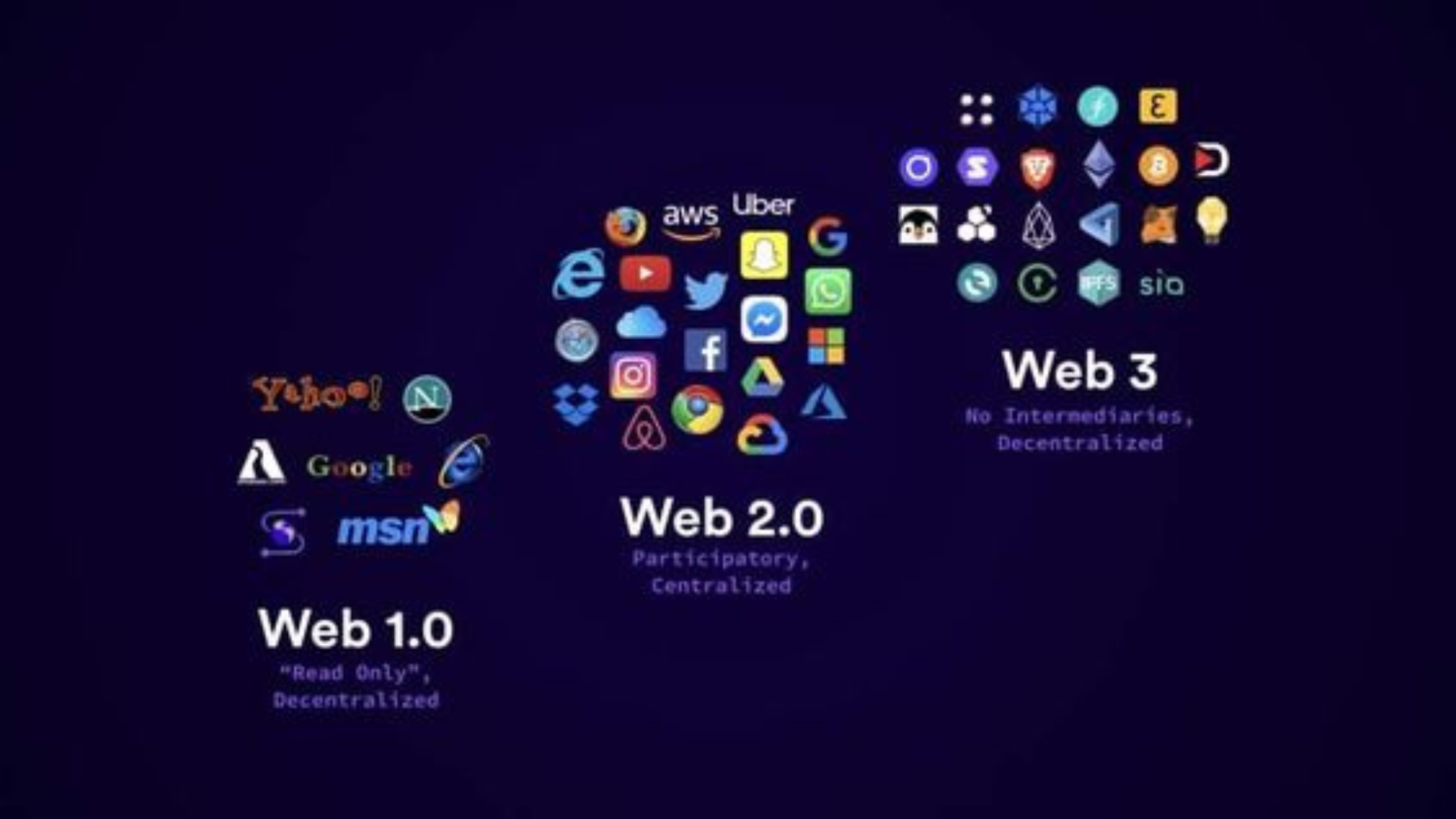
The internet has undergone..
By Admin / Mar 14

Whenever we talk..
By Admin / Mar 13

As we all know..
By Admin / Feb 28

Web server hosting is a..
By Admin / Feb 13

Web server hosting business
By Admin / Feb 13

Your website running slow?
By Admin / Feb 05

Introducing quizzes
By Admin / May 12

If you are a beginner in...
By Admin / May 20