10 Strategies for Optimizing....
In the ever-evolving..
By Admin / 13 February

Developers like VPS offering them control, stability, and dependable performance for live applications, especially when combined with reliable VPS hosting services.
Since production environments require uninterrupted consistency and maximum uptime, developers lean toward solutions that minimize risk and increase control. VPS can satisfy these requirements at a fraction of the cost of dedicated servers.
Besides, VPS compartments resources at a granular level. This means that applications get their own environment without any interference from other users.
Developers acquire allocated hardware/software resources. This means that the behavior of their programs can be anticipated even at high loads.
Shared hosting can often lead to slowdowns. VPS, on the other hand, ensures this problem is averted via isolation.
Since they control server activity, teams experience fewer breakdowns at times of heavy traffic.
Since deploying applications, developers require flexibility. Therefore, the VPS option makes sense.
Developers select tools based on the project. Hence, they do not limit themselves unnecessarily.
Organizations modify server configurations. Consequently, software runs under the most beneficial conditions.
Developers pick Linux or Windows. Hence, they align server setup with software development.
In production systems, security is a top concern. Therefore, VPS creates a more secure environment than shared hosting.
The main point here is that each attack would not affect your side.
Saving sensitive data is a problem. Developers set up firewall layers. So, this leads to the effect that developers are able to protect sensitive data in the most effective way.
Teams manage updates so the system stays less vulnerable and more secure.
Traffic spikes are a normal thing for most applications. That is why developers require a hosting plan that can handle their expansion without any breakdowns.
Teams turn on the switch to add RAM or CPU anytime they want. Consequently, the application keeps up with its users.
A VPS is capable of handling a greater number of users at a time. Hence, websites survive even the busiest period without becoming unavailable.
If only server settings can be set just right, developers can make the load work on the user's side for faster times.
Taking a dedicated server is very powerful but also expensive. On the contrary, VPS can provide similar perks at a much lower cost.
Very small groups can start with low-resource steps since initially, they are probably just experimenting with the system. So, they get a hold of their spending quite early.
Developers gradually scale. So, they don't incur spending on things they are not going to use.
Teams make good resource allocation decisions. This way, they keep performance going while saving where possible.
Many development teams are giving VPS a try, testing the pre-production stage. They usually detect some obvious advantages.
While checking staging tests, a group of programmers notices quicker deployment cycles. On top of that, they indicate fewer server conflicts. Consequently, developers get more and more convinced that VPS is good for production workloads.
Besides that, teams show a positive impact on CI and CD processes. So, they produce updates with minimum delays.
Developers, who have spent a long time doing the job properly, usually know quite well about the behavior of a server. Because of this, they benefit big time from VPS features.
They set up caching systems, take care of databases, and keep a very close eye on logs. In the end, this is how they manage to maintain excellent performance in the whole range of applications.
Developers sometimes look up and compare providers such as Best VPS Hosting Philippines before settling on one. Based on such an analysis, they pick trustworthy infrastructures.
People well-versed in the industry are usually in favor of VPS when it comes to projects of medium to large size. Thus, lots of enterprises are inclined to make VPS their main solution.
As a matter of fact, on trusted platforms, developers talk about the case studies and give out their insights. That is one way by which VPS is recognized as a trustworthy hosting option.
Besides that, the VPS-using companies often come across positive responses from their user base, and in this way, they raise their level of credibility.
Trust is a major factor in making a hosting choice, which is why hosting providers of VPS dedicate themselves to offering an open service and reliable assistance.
Data center providers ensure the highest security level. So, users' applications remain safe.
Team members get assistance immediately. Hence, problems are solved fast.
Programmers set regular backup times. Therefore, they get back their data if anything goes wrong.
SLA vendors make clear their uptime promises. So, teams execute their plans without any worries.
VPS is an excellent match to the latest development practices, as it fulfills the requirements of modern applications for agility and rapidness.
It is versatile enough to handle containerized software microservices as well as cloud operations. Hence, devs can do their development and deployment in less time.
Also, hosting by VPS providers is a part of DevOps toolchains and works across multifunctional teams. So, these teams can easily handle the software release cycle within a short span of time.
Developers opt for VPS mainly because it offers a great combination of control, security, and performance, which are essentials for production environments. This is why VPS server hosting remains a dependable solution over time.
Reliable VPS’s that meet the demands of modern developers are at EstNOC's core. Their robust infrastructure enables smooth deployment and secure environment creation.
Developers enjoy not only excellent uptime and friendly support but also a variety of configurations that suit their needs. As a result, teams are able to concentrate on creating superior applications.

In the ever-evolving..
By Admin / 13 February

In the frantic world..
By Admin / 19 January

Technology is the..
By Admin / 27 December

WordPress, standing as..
By Admin / 27 November

In the ever-evolving..
By Admin / 18 October

Businesses struggle..
By Admin / 30 September

Web hosting is the..
By Admin / 21 September

Your website's speed and..
By Admin / 12 September

For every organization..
By Admin / August 23

For every organization..
By Admin / August 8

In the modern digital..
By Admin / July 21

As we are living..
By Admin / July 7

Dedicated hostings are..
By Admin / June 29

When you look into the..
By Admin / June 15

Dedicated servers are..
By Admin / May 18

Unmanaged VPS hosting..
By Admin / May 13

There has been..
By Admin / May 02

As soon it comes to..
By Admin / April 12

The hosting environment..
By Admin / Mar 25
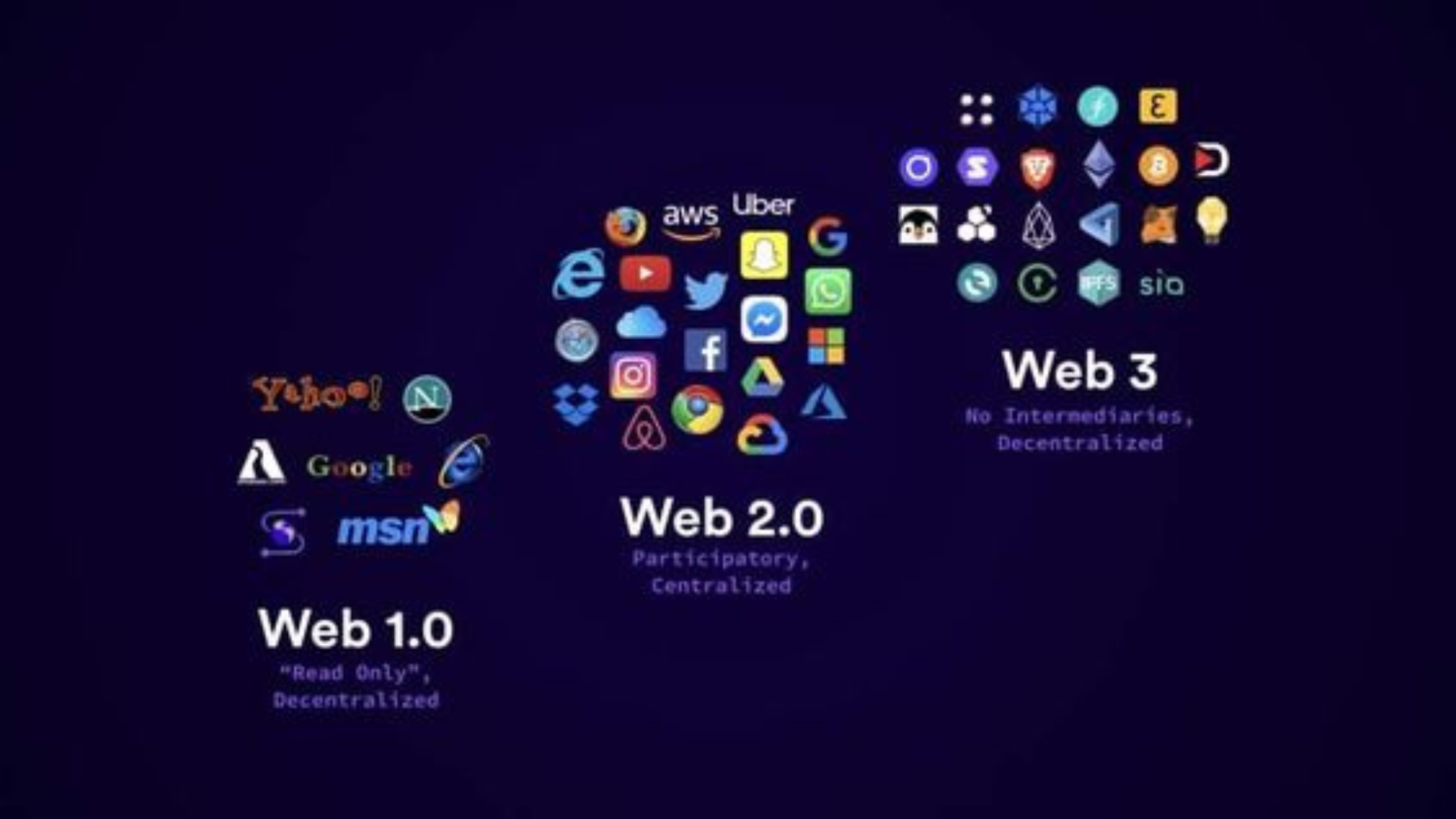
The internet has undergone..
By Admin / Mar 14

Whenever we talk..
By Admin / Mar 13

As we all know..
By Admin / Feb 28

Web server hosting is a..
By Admin / Feb 13

Web server hosting business
By Admin / Feb 13

Your website running slow?
By Admin / Feb 05

Introducing quizzes
By Admin / May 12

If you are a beginner in...
By Admin / May 20